

Rolls-Royce Ceramic Coating in London: Is It Worth It?
If you own a Rolls-Royce, you already know that "just washing it" isn't really an option. A car finished in a bespoke paint colour, sometimes with hand-applied coachlines or a multi-layer lacquer process that took weeks to cure, deserves more than a bucket and sponge on a Sunday afternoon.
That's where ceramic coating comes in and it's become one of the most common questions we hear from Rolls-Royce owners across London: is ceramic coating actually worth it, or is it just an expensive add-on dealers and detailers push because the margins are good?
Short answer: for a Rolls-Royce, it's one of the few upgrades that genuinely earns its keep. Here's why.

Why Rolls-Royce Paint Needs Specialist Protection
Rolls-Royce paintwork isn't like the paint on a mass-market car. Many models go through an extensive multi-stage painting process, and some owners commission fully bespoke colours matched to anything from a favourite handbag to a family heirloom. That level of finish is part of what you're paying for and it's also part of what makes the paint more delicate to correct if it's damaged.
London driving conditions don't do that paintwork any favours. Road grime, brake dust, bird droppings, tree sap, and the acidic residue from urban pollution all sit on the surface daily. Add in the King's Road and Sloane Street car parks, tight Chelsea mews streets, and the general stop-start of central London traffic, and you've got a recipe for fine swirl marks, etching, and dulling over time even on a car that's washed regularly.
A ceramic coating creates a hardened, sacrificial layer on top of the factory paint. It doesn't stop the grime from landing on the car, but it stops that grime from bonding to the paint itself, which makes an enormous difference to how the car ages.
What Is Ceramic Coating?
Ceramic coating is a liquid polymer, typically silica-based, that's applied by hand to a fully corrected paint surface. Once cured, it chemically bonds to the clear coat and forms a hard, glass-like layer that sits on top of the paint.
Unlike wax or traditional sealants, which sit loosely on the surface and break down within weeks, a professionally applied ceramic coating is designed to last years, not months. It gives the paint:
A hydrophobic surface that causes water to bead and roll off, taking dirt with it
Increased resistance to chemical staining and UV oxidation
A noticeably deeper, glossier finish
A surface that's easier to clean and less prone to marking between washes
It's worth being clear that ceramic coating is not paint protection film (PPF), and it isn't a substitute for it more on that distinction below.

Benefits of Ceramic Coating on a Rolls-Royce
For a car in this class, the benefits go beyond "it looks shinier." A few reasons owners specifically choose to coat a Rolls-Royce:
Preserving resale and bespoke value. Rolls-Royce values hold up well when a car is well maintained, and paint condition is one of the first things buyers and specialist dealers assess. Swirl marks and dulled lacquer are difficult to hide and expensive to correct.
Reducing the frequency of aggressive washing. Every wash carries a small risk of introducing fine scratches. A coated surface releases dirt more easily, meaning less agitation is needed to get the car clean, which in turn means less cumulative wear on the paint.
Protecting bespoke and dark colours. Deep blacks, dark blues, and bespoke metallics show swirl marks and water spotting far more visibly than lighter colours. Coating helps these finishes stay looking freshly detailed for longer.
Long-term cost efficiency. While the upfront cost is significant, it's generally lower than the cost of repeated correction detailing over the same multi-year period.
Ceramic Coating vs PPF for Rolls-Royce
This is one of the most common points of confusion, so it's worth addressing directly.
Ceramic coating protects against chemical staining, UV damage, and light marring, and it dramatically improves gloss and ease of cleaning. It does not protect against stone chips, road debris, or physical impacts.
Paint protection film (PPF) is a thick, physical polyurethane film applied to high-impact areas typically the front bumper, bonnet, wing mirrors, and door edges. It's designed to absorb impacts from stone chips and debris, which ceramic coating simply cannot do.
For a Rolls-Royce, many owners in London choose to combine both: PPF on the most exposed front-end panels, with a ceramic coating applied over the film and across the rest of the car. This gives comprehensive protection physical impact resistance where it's needed most, and chemical/UV protection and enhanced gloss everywhere else.
For more information on ceramic coating visit here.
Should You Ceramic Coat a New Rolls-Royce?
Yes, and ideally sooner rather than later. A brand-new Rolls-Royce leaves the factory with the best paint condition it will ever have. Coating the car early before it accumulates London traffic swirl marks, car park scuffs, or environmental etching means you're locking in that factory finish rather than trying to restore it later.
Some new owners assume there's no rush since the car looks flawless on delivery. In reality, the first few months of ownership, when the car is being driven regularly and washed at various locations, are often when the most avoidable paint damage occurs.
How Long Does Rolls-Royce Ceramic Coating Last?
Most professional-grade ceramic coatings are rated to last anywhere from two to five years, depending on the product used, how the car is maintained, and how much it's driven and washed. Higher-tier coatings, applied in multiple layers by an experienced detailer, tend to sit at the longer end of that range.
Longevity also depends on aftercare. Using pH-neutral shampoos, avoiding automated brush car washes, and having the car maintained by a detailer familiar with coated surfaces will all extend the life of the coating considerably.
How Much Does Rolls-Royce Ceramic Coating Cost in London?
Pricing varies based on the coating product, the number of layers applied, the condition of the existing paint, and how much correction work is needed beforehand. A car with existing swirl marks or oxidation will require more preparation time than a new delivery-mileage vehicle, which affects the overall cost.
Rather than quote a blanket figure, most reputable London detailers including AP Car Spa will assess the car in person or via photos first, since a Cullinan with a few years of use and a brand-new Spectre are simply not the same job. What you should expect from any quote is transparency about what's included: paint correction, the number of coating layers, and the aftercare guidance provided.
Which Rolls-Royce Models Can Be Ceramic Coated?
Every current and recent Rolls-Royce model can be ceramic coated, though preparation needs vary slightly depending on the car's age, paint condition, and finish.
Ghost - a popular choice for coating given how often it's used as a daily luxury car in London
Phantom - with expansive body panels, benefits significantly from the depth and gloss a coating adds
Cullinan - as an SUV that sees more varied use, benefits from the added chemical and UV resistance
Spectre - Rolls-Royce's electric model, often finished in striking bespoke colours worth protecting from new
Wraith - a lower-mileage, often "occasional use" car that still benefits from long-term protection between drives
Dawn - convertible tops and exposed panels mean UV protection is particularly valuable here
Why Professional Preparation Matters
A ceramic coating is only as good as the surface underneath it. If it's applied over paint that still has swirl marks, contamination, or old wax residue, those imperfections get sealed in rather than corrected and they'll be far harder to remove once coated.
Proper preparation involves a full decontamination wash, clay bar treatment, and multi-stage machine polishing to correct any existing defects before the coating is applied. This is a time-intensive process, and it's the main reason ceramic coating should be treated as a specialist service rather than a quick add-on.
Rolls-Royce Ceramic Coating in Chelsea
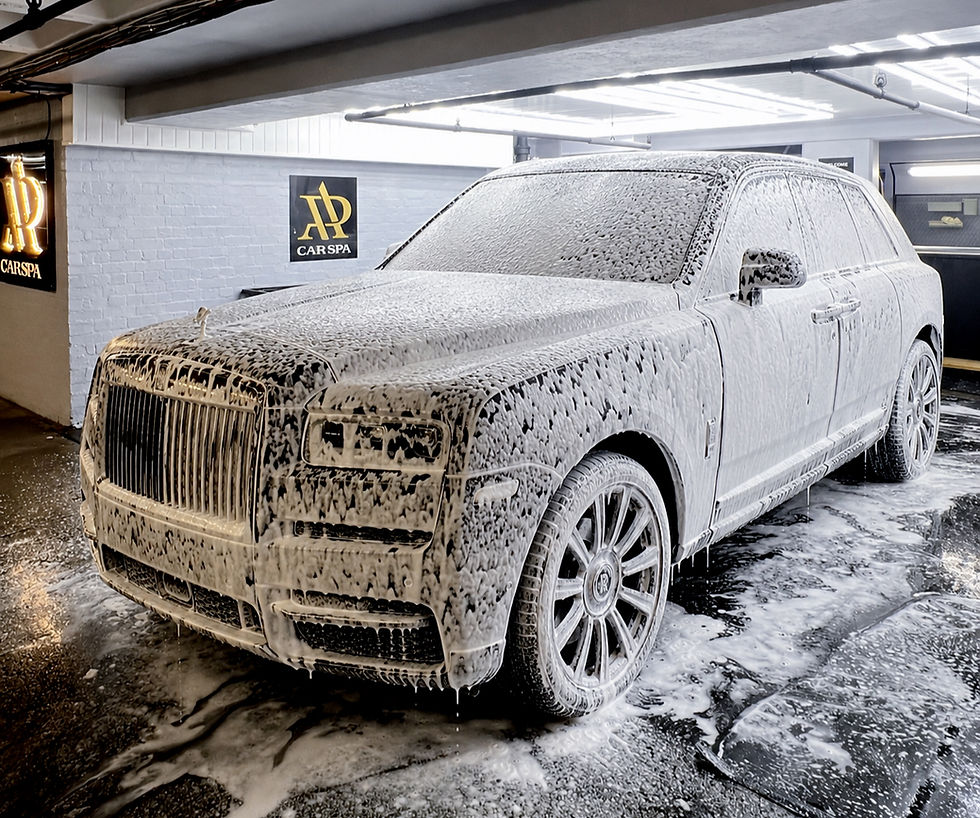
Based on Edith Grove in Chelsea, AP Car Spa works regularly with luxury and prestige vehicles, including Rolls-Royce, across London. Being based locally means we understand the specific conditions Chelsea and central London cars face from congestion charge zone traffic to the tight parking common around SW postcodes and we prepare and coat every car with that in mind.
For more information on How to Properly Detail a Rolls-Royce, visit Everything You Need to Know.
AP Car Spa | Chelsea London Car Park, Edith Grove, London SW10 0ED | apcarspa.co.uk


Comments